Did you know that not all disinfection is created equal?
There are three levels of disinfection -- low, intermediate, and high. Your environment will determine the required level. Using the wrong methods could lead to fruitless efforts, wasted money, and even unsafe conditions.
In this article, we’ll break down the different types of disinfection, and explain which level is best for your facility to create safe working conditions.
What Is Professional Disinfection for Commercial Facilities?
Disinfection is the process of eliminating many or all pathogenic microorganisms on inanimate surfaces, except bacterial spores, which are resistant, dormant structures that can lead to illnesses like anthrax and food poisoning. The definition of disinfection differs from those of cleaning, sanitizing, and the process of sterilization.
Cleaning removes dirt and debris, while sanitizing reduces the amount of bacteria on a surface. Sterilization is the most potent of them all – it destroys all forms of microbial life. Typical sterilizing agents include steam under pressure, dry heat, hydrogen peroxide gas plasma, and liquid or gas chemicals, such as ethylene oxide (EtO gas).
While sterilization is often reserved for medical settings, most businesses rely on disinfection as the most effective way for maintaining a healthy environment. Proper disinfection ensures your business meets industry standards and provides the safest environment for your workforce. Many facilities practicing routine disinfection follow guidelines established by industry leaders who issue important janitorial certifications, like the Occupational Safety and Health Administration (OSHA) and the International Sanitary Supply Association (ISSA).
3 Main Levels of Commercial Disinfection
Disinfection is categorized into three levels. Each one has its own set of criteria and appropriate applications. Understanding these levels helps ensure the right methods and products are used correctly in specific environments and surfaces. These levels of disinfection include:
- Low-level disinfection
- Intermediate-level disinfection
- High-level disinfection
Low-Level Disinfection
Low-level disinfection eliminates most bacteria, as well as some viruses and fungi. This level can’t be relied on to kill mycobacteria or bacterial spores. It’s best for non-critical items and surfaces, which only come in contact with skin. These include office desktops and break room tables, as well as blood pressure cuffs in medical settings.
Intermediate-Level Disinfection
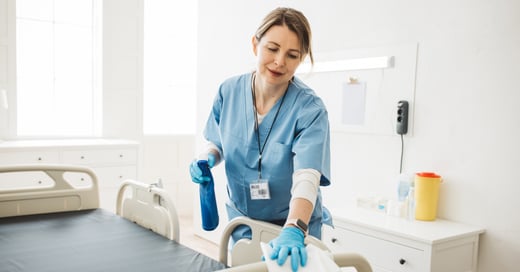
Intermediate-level disinfection kills mycobacteria, some viruses and fungi, but not bacterial spores. This level is best for non-critical items and surfaces that come in frequent contact with skin or potential contamination. Examples include exam tables and bathroom fixtures.
High-Level Disinfection
High-level disinfection destroys all microorganisms, including bacteria,
fungi, and viruses, but not large numbers of bacterial spores. Use high-level disinfection for semi-critical equipment, which includes items that contact non-intact skin or mucous membranes. Examples include endoscopes, respiratory equipment, and dental impression trays.
Choosing the Right Disinfection Type for Your Facility
Now is the time to assess your environment and identify which disinfection type is most appropriate for your facility’s specific needs.
1. Evaluate Contamination Risk
Determine the areas with the highest traffic and the greatest risk of contamination. Spaces that have more visitors are more susceptible to germ buildup. Healthcare facilities typically require stricter disinfection standards compared to other settings, like an office building. For detailed guidance around healthcare environments, refer to the CDC’s Environmental Cleaning 101 training module.
2. Compare Focus Areas to Their Appropriate Disinfection Level
Next, consider the types of surfaces within your facility. Does it contain only non-critical items that need low or intermediate levels of disinfection, or are there any semi-critical surfaces that require high-level disinfection? Either way, integrate the appropriate disinfection protocols into your routine cleaning plans. Find specific disinfection examples in the table below.
|
Facility Area
|
Recommended Level
|
Key Focus Areas
|
|
Restrooms
|
Intermediate
|
Toilets, sinks, floors
|
|
Break Rooms
|
Low to Intermediate
|
Tables, countertops, appliances
|
|
High-Touch Common Areas
|
Intermediate
|
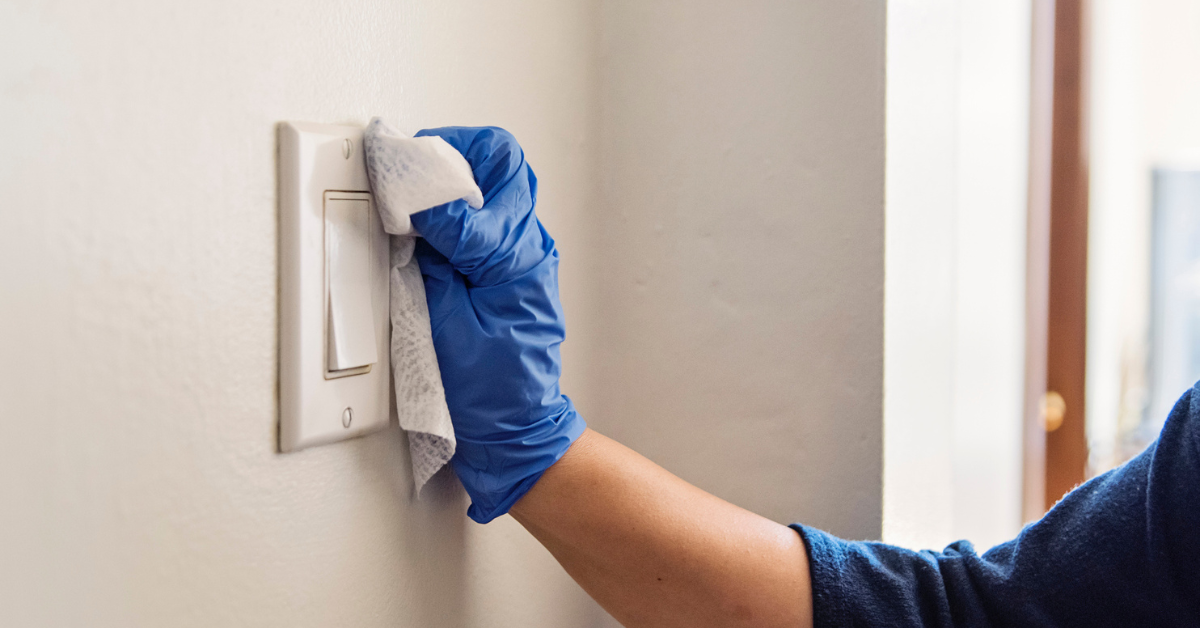
Light switches, door handles
|
|
Medical/Lab Areas
|
High
|
After removing debris, apply an EPA-registered hospital disinfectant
|
3. Consult a Janitorial Expert
If, after researching the different levels of disinfection, you’re still unsure which is appropriate, consult a janitorial expert. An established commercial cleaning company will likely have the appropriate experience and expertise with the type of facility you’re working with, especially for healthcare facilities like doctors’ offices, hospitals, and surgery centers.
Professional Disinfection: Choosing the Right Partner
Once you’ve determined the key characteristics of your facility’s environment, and researched your disinfection level options, you can select the right partner for your needs. The janitorial team you choose will curate a plan that checks all of the boxes for your facility, often including contracts that are custom, flexible, and fitting to your budget. Be sure to choose a reputable, compliant provider that uses EPA-registered products to ensure proper disinfection.
Schedule a free consultation with B&T to create a disinfection plan that integrates effortlessly with your ongoing cleaning schedule and provides a safe space for your employees.